
 Español
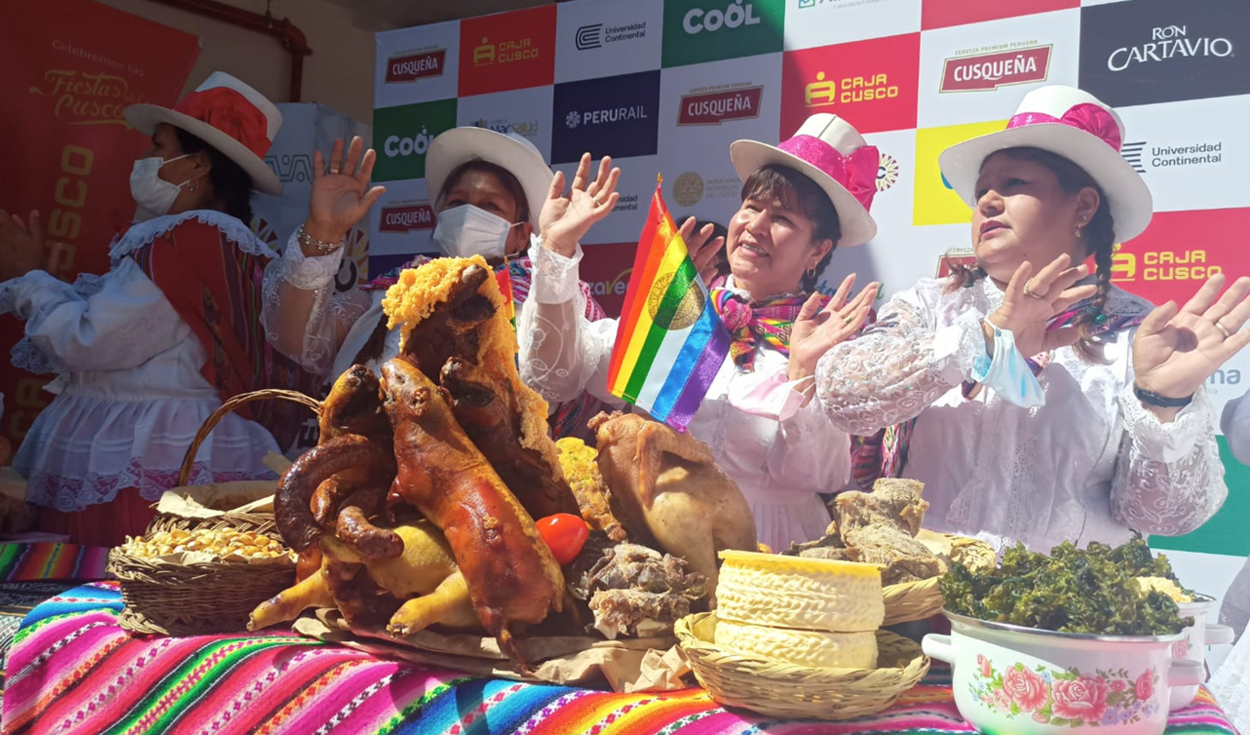

Cusco’s cuisine is the result of centuries of cultural exchange and the use of ingredients from the region’s diverse ecological zones. Each dish reflects the heritage of Andean cultures, preserving techniques and ingredients passed down through generations.
Although Chiri Uchu is considered the city’s most representative dish, local gastronomy includes a wide variety of preparations that are part of everyday life for Cusco’s families. From comforting soups to festive recipes, food in Cusco offers a meaningful way to understand the identity and traditions of its people.
Typical dishes of Cusco
Chiri Uchu: the flagship dish of the imperial city
When speaking about Cusco’s gastronomy, Chiri Uchu is often the most iconic dish. Its name comes from Quechua and translates as “cold chili,” referring to the traditional way its ingredients are served.
This dish brings together a wide variety of Andean products in a single preparation, creating a combination of flavors, textures, and aromas that represent the region’s cultural diversity. It is especially popular during religious festivities and is considered one of Cusco’s most important culinary symbols.
Adobo Cusqueño
Adobo is one of the most traditional and highly appreciated dishes among locals. Its origins are linked to colonial influence, but over time it developed its own unique identity within regional cuisine.
It is prepared by marinating pork in chicha de jora, along with rocoto, spices, and aromatic herbs. The dish is then slow-cooked until it becomes a thick and flavorful stew. It is commonly served with traditional bread and is especially enjoyed on weekends or after celebrations.
Roasted guinea pig (Cuy al horno)
Guinea pig has been part of the Andean diet since pre-Inca times and remains one of the most representative dishes of the region.
It is seasoned with traditional spices, garlic, salt, and huacatay, which gives it a distinctive aroma. It is then oven-roasted until it becomes crispy and golden. It is usually served with potatoes, salads, or corn, especially during family gatherings and special occasions.
Chairo
Chairo is one of the oldest traditional soups in Cusco. It originated as a nutritious meal for farmers who needed energy during long working days in the fields.
This hearty soup combines typical Andean ingredients such as chuño, moraya, fresh potatoes, broad beans, peas, aromatic herbs, and meat. Its thick consistency and high nutritional value make it ideal for cold weather and altitude adaptation.
Many travelers also consider it a comforting dish during their first days in Cusco.
Nabo Jaucha from Cusco
Although less known outside the region, Nabo Jaucha holds an important place in traditional Cusco cuisine.
It is prepared with turnips slowly cooked together with potatoes, mote, and other ingredients that vary depending on family recipes. Thanks to its nutritional value, especially its iron content, it is considered beneficial for health.
It can be found in traditional markets and local restaurants specializing in regional food.
Emblematic regional products
Chicharróns from Saylla
The district of Saylla has become a culinary landmark thanks to its famous pork chicharróns.
Located a short distance from Cusco, it attracts both locals and visitors who come to enjoy one of the region’s most popular dishes. Restaurants in the area offer spacious settings ideal for family gatherings.
Its popularity comes from the quality of the pork, proper cooking techniques, and its unmistakable flavor, making it a regional tradition.
Corn with cheese from the Sacred Valley
One of the most iconic snacks of the Sacred Valley is corn with fresh cheese. This simple yet delicious combination features large Andean corn paired with locally produced cheese.
It is often served with uchucuta, a traditional spicy sauce made with rocoto, huacatay, and other ingredients that enhance its flavor.
Oropesa bread
The Oropesa chuta bread is one of the most recognized bakery products in Cusco.
Its artisanal preparation and traditional ingredients have preserved a recipe that forms part of the region’s culinary identity. Its size, texture, and distinctive flavor set it apart from other breads in Peru.
Cusco tamales
Cusco tamales have unique characteristics that differentiate them from other regional versions in Peru.
They are made with fresh corn, mainly from the Sacred Valley, and can be sweet or savory. Their soft texture and traditional flavor make them a popular choice for breakfast and family gatherings.
Traditional beverages of Cusco
Chicha de jora
Chicha de jora is an ancestral beverage that has accompanied Andean cultures for centuries.
Made from fermented corn, it played an important role in religious ceremonies, community celebrations, and rituals dedicated to Pachamama. Its preparation takes several days and preserves techniques passed down through generations.
It remains a symbol of Cusco’s cultural identity.
Cusco ponche
Traditional bean ponche is a popular drink during religious festivities and cold seasons.
It is valued for its energizing properties and warmth, making it a common feature in traditional celebrations and community gatherings.
Markets where you can enjoy Cusco cuisine
San Pedro Market
San Pedro Market is one of the most important culinary spaces in the city. In addition to fresh products, crafts, and souvenirs, it offers numerous food stalls where visitors can taste traditional dishes, natural juices, and local desserts.
It provides an authentic glimpse into everyday life in Cusco.
San Blas Market
Located in the traditional San Blas neighborhood, this market offers a quieter cultural experience.
Surrounded by artisan workshops and galleries, it is an ideal place to enjoy traditional food, coffee, and local snacks while exploring one of Cusco’s most artistic districts.