 Español

Cusco Festivities Calendar
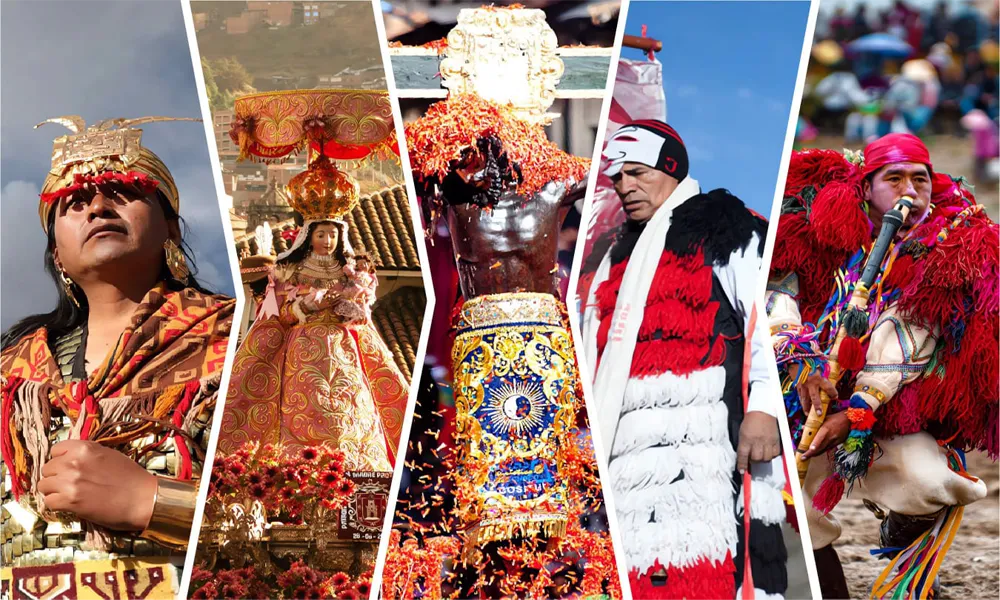
Cusco is a city where traditions remain alive throughout the entire year. Each month features religious celebrations, cultural festivities, gastronomic events, and artistic expressions that reflect the historical and spiritual richness of the ancient capital of the Inca Empire. From the majestic Inti Raymi to the patron saint festivals in Andean villages, Cusco’s festive calendar offers countless opportunities to experience the region’s cultural identity up close.
January: Faith and traditions marking the start of the year
The year begins with important religious celebrations that preserve Cusco’s cultural heritage. One of the highlights is Bajada de Reyes, a ceremony that marks the end of the Christmas season with liturgical events, choir performances, and the traditional removal of nativity scenes.
This month also features the Festivity of San Sebastián, one of the most important patron saint celebrations in the city. The district comes alive with music, folk dances, processions, and community activities that gather thousands of locals and visitors.
February: The colorful Cusco Carnival
February is synonymous with joy and celebration in Cusco. Festivities begin with Compadres Day and Comadres Day, known for their humorous traditions and satirical dolls displayed in public spaces.
The peak of the month is the Cusco Carnival, where streets become stages for music, dances, parades, and traditional games involving water, foam, and paint. The celebration ends with Kacharpari (farewell to carnival), accompanied by the traditional yunza and the popular puchero dish.
March: Official start of Cusco festivities
In March, the official launch of the Cusco Festivities and Inti Raymi takes place, marking the beginning of a cultural season that showcases the region’s historical richness to Peru and the world.
April: Holy Week and Cusco devotion
Holy Week is one of the most important religious celebrations in Cusco. During these days, churches, plazas, and streets welcome thousands of faithful participants in deeply spiritual ceremonies.
One of the most significant moments is the procession of the Lord of the Earthquakes (Señor de los Temblores), Cusco’s Patron Saint. The image is carried through the historic center, accompanied by devotees offering ñucchu flowers, a symbol of faith and Andean tradition.
May: Religious traditions and sports events
The month begins with Cruz Velacuy (Feast of the Cross), a celebration that blends Christian elements with ancient Andean beliefs.
Also notable are the celebration of the Lord of Torrechayoc in Urubamba and the Qosqo 10K Hatun Phaway, a major sporting event that marks the beginning of Cusco’s jubilee month.
June: Jubilee month and Inti Raymi
June is the most important period in Cusco’s festive calendar. Celebrations begin with ceremonies of gratitude to Pachamama and continue with religious, cultural, and gastronomic events.
Among the most notable activities are:
- Pilgrimage to Señor de Qoyllurit’i
- Celebration of Corpus Christi
- Chiriuchu gastronomic festival
- Student and university parades
- Light and Sound show
- Andean New Year
Inti Raymi: the Great Sun Festival
On June 24th, Cusco celebrates Inti Raymi, the most iconic festival of the city and one of the most important cultural representations in South America.
The ceremony recreates the ancient Inca ritual dedicated to the Sun God and takes place in three historic settings: Qoricancha, Plaza de Armas, and Sacsayhuamán. Thousands of actors, musicians, and dancers participate in this spectacular performance that revives the greatness of the Tahuantinsuyo.
July: Devotion and patriotism
July is highlighted by the Virgen del Carmen Festival in Paucartambo, considered one of Peru’s most important folkloric celebrations. Its colorful parades, traditional characters, and religious processions attract visitors from across the country.
This month also includes Peru’s Independence Day celebrations and gastronomic events showcasing regional cuisine.
August: Month of Pachamama
August is a deeply spiritual month for Andean communities. On August 1st, the Day of Pachamama is celebrated with traditional offerings of gratitude to Mother Earth.
Religious festivities such as Virgen Asunta, San Bartolomé, and Santa Rosa de Lima also take place, combining faith with cultural and folkloric expressions.
September: Pilgrimages and patron saint celebrations
Festivities continue with important religious events such as the Virgin of the Nativity Festival and the pilgrimage to the Sanctuary of Señor de Huanca, one of the most visited devotion centers in the region.
The celebration of San Jerónimo also brings together dances, gastronomy, and cultural activities that strengthen local identity.
October: The purple month in Cusco
In October, celebrations in honor of the Lord of Miracles take place, one of the most important religious traditions in Peru.
The month ends with the Day of Creole Song, where music, gastronomy, and national traditions take center stage in cultural spaces across the city.
November: Tradition and family memory
The celebrations of All Saints’ Day and Day of the Dead keep ancestral customs alive, honoring loved ones who have passed away.
Family altars, traditional t’anta wawas, and community gatherings are central to this deeply rooted Cusco tradition.
December: Christmas and spiritual renewal
The year ends with the traditional Santurantikuy fair, one of the most important artisan expressions of Andean Christmas. Artisans from different provinces showcase nativity scenes, sculptures, and religious crafts.
New Year’s celebrations transform Plaza de Armas into a festive stage where locals and visitors take part in prosperity rituals, music, and celebrations to welcome the new cycle with positive energy.
What is the best time to experience Cusco’s festivities?
Although Cusco offers celebrations throughout the year, June is considered the most important month due to Inti Raymi and the Jubilee Festivities. However, events such as the Cusco Carnival, Virgen del Carmen de Paucartambo, Corpus Christi, and Señor de Qoyllurit’i allow visitors to experience different expressions of Andean culture at any time of the year.
Participating in these celebrations is a unique opportunity to discover the traditions, spirituality, and historical legacy that make Cusco one of the most fascinating cultural destinations in Latin America.